
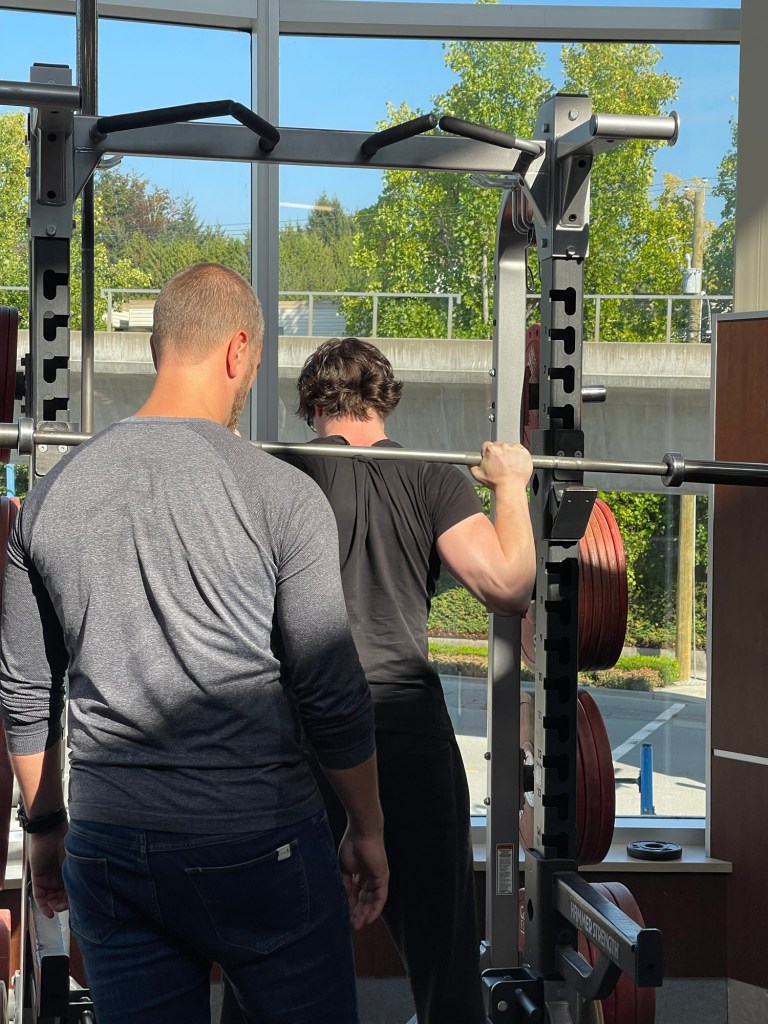
Shifting the Fixed Mindset
In this guide, you’ll confront a real challenge many Fitness Managers and lead trainers face:
The fixed-mindset trainer who believes they already know everything worth knowing…
When results fall short, they blame the client, the program, the equipment, or “bad luck,” never their own approach, or current set of skills or knowledge. Feedback feels like an attack, suggestions are dismissed as unnecessary, and change is viewed as admitting defeat. This “uncoachable” stance blocks growth, frustrates clients, and caps their career momentum, not to mention impacts club culture
The good news? Even the most entrenched fixed mindset can shift.
From “Uncoachable” to Coachable:
5 Steps to Shift Fixed-Mindset Trainers Using Feed Forward and the PT Black Belt Program
By Matthew Slack
Some trainers are the classic “uncoachable coach”: they believe they already know everything worth knowing. When results fall short, they blame clients, the gym, the program, but never themselves. Feedback feels like an attack, suggestions are dismissed, and change is seen as admitting defeat. This fixed mindset (Dweck, 2016) creates defensiveness and resistance, stalling growth, client outcomes, and career progression. If trainers are not hitting a minimum of 96 premium hours a month it’s time for a reality check.
Even the most resistant trainer can shift. A growth mindset views abilities as developable through effort and strategies.
This page gives you five targeted, practical steps, using the Feed Forward process and PT Black Belt Program on goodlifebc.ca, to help you (or the trainers you mentor) move from defensive, blame-shifting resistance to open, coachable, continuous improvement. You’ll unlock adaptive coaching, design better programs, elevate client outcomes, and sustain your own professional momentum in the PT Black Belt Program.
1. Name the Pattern Neutrally (No Shame)
Fixed-mindset trainers often don’t see their own defensiveness, they just feel “right.”
Your action:
In a 1:1 or workshop opener, use this neutral prompt: “Sometimes we catch ourselves thinking ‘I already know this’ or ‘It’s not my technique’ or ‘it’s the client.’ When that happens, what one small question could help us stay open?”
This non-judgmental naming reduces ego threat and aligns with adult learners’ need for self-directed reflection (Knowles et al., 2011).
2. Interrupt Defensive Loops with Feed-Forward
Traditional feedback fuels blame, defensiveness and ego protection. Feed-forward focuses forward.
Your action:
After observation, ask: “What two suggestions for the future might help you become even more effective with (blank)?” or “What one small change could make your coaching feel more coachable to others next week?” Have the trainer answer these self-reflection prompts and have them test their answer immediately, in their next client session.
This bypasses defensiveness (Goldsmith, 2003) and starts building evidence that change is useful.
3. Surface Tacit Gaps to Challenge “I Know Everything”
The uncoachable coach claims mastery but overlooks intuitive blind spots. Tacit knowledge, “we can know more than we can tell” (Polanyi, 1966, p. 4) is your bridge.
Your action:
After a session, ask: “What felt natural today? What part felt shaky, and what one question could help you understand it better?” Use Feed Forward to turn insight into action. This honors existing strengths while exposing growth areas (Knowles et al., 2011).
4. Leverage PT Black Belt Milestones for Undeniable Evidence
Nothing dismantles “I already know everything” like visible progress they can’t deny.
Your action:
Map current skills to a Black Belt level. Assign one milestone (example: Level 4 barbell competency, is the trainer at that level yet).
At completion, trainer-reflection check:
- What did they improve? (new certifications, alignment to next level advancement)
- What fixed belief did they challenge?
- What strategy will they test next? Tangible advancement proves effort creates ability (Dweck, 2016).
5. Use Daily, Weekly, and Monthly Reflection for a Transformative Shift
Deep change occurs when fixed assumptions are critically examined.
Your action:
Daily team huddles, weekly 1-on-1 meetings, monthly journal/ action plan checks.
Ask: “How has your view of feedback changed? What areas were you uncoachable before, and what’s different now?”
This critical reflection replaces old assumptions with new perspectives (Mezirow, 1997).
Quick Start for Mentors or Self-Coaching
- Use one Feed Forward prompt after your next session.
- Log into goodlifebc.ca, pick a Black Belt milestone, and track progress.
- At week’s end, ask: “What did I learn that I didn’t expect?”
Repeat. Evidence builds belief.
The uncoachable coach isn’t hopeless, they’re stuck in a fixed story. With future-focused tools and consistent reflection, that story changes. Growth isn’t admitting you were wrong; it’s discovering you can keep getting better.
References
Dweck, C. S. (2016, January 13). What having a “growth mindset” actually means. Harvard Business Review. https://hbr.org/2016/01/what-having-a-growth-mindset-actually-means
Goldsmith, M. (2003). Try feedforward instead of feedback. Journal for Quality and Participation, 26(3), 1–3.
Knowles, M. S., Swanson, R. A., & Holton, E. F. (2011). The adult learner: The definitive classic in adult education and human resource development (7th ed.). Elsevier.
Mezirow, J. (1997). Transformative learning: Theory to practice. New Directions for Adult and Continuing Education, 1997(74), 5–12. https://doi.org/10.1002/ace.7401
Polanyi, M. (1966). The tacit dimension. Peter Smith.
 Feed Forward: Unlock Your PT Black Belt Future